
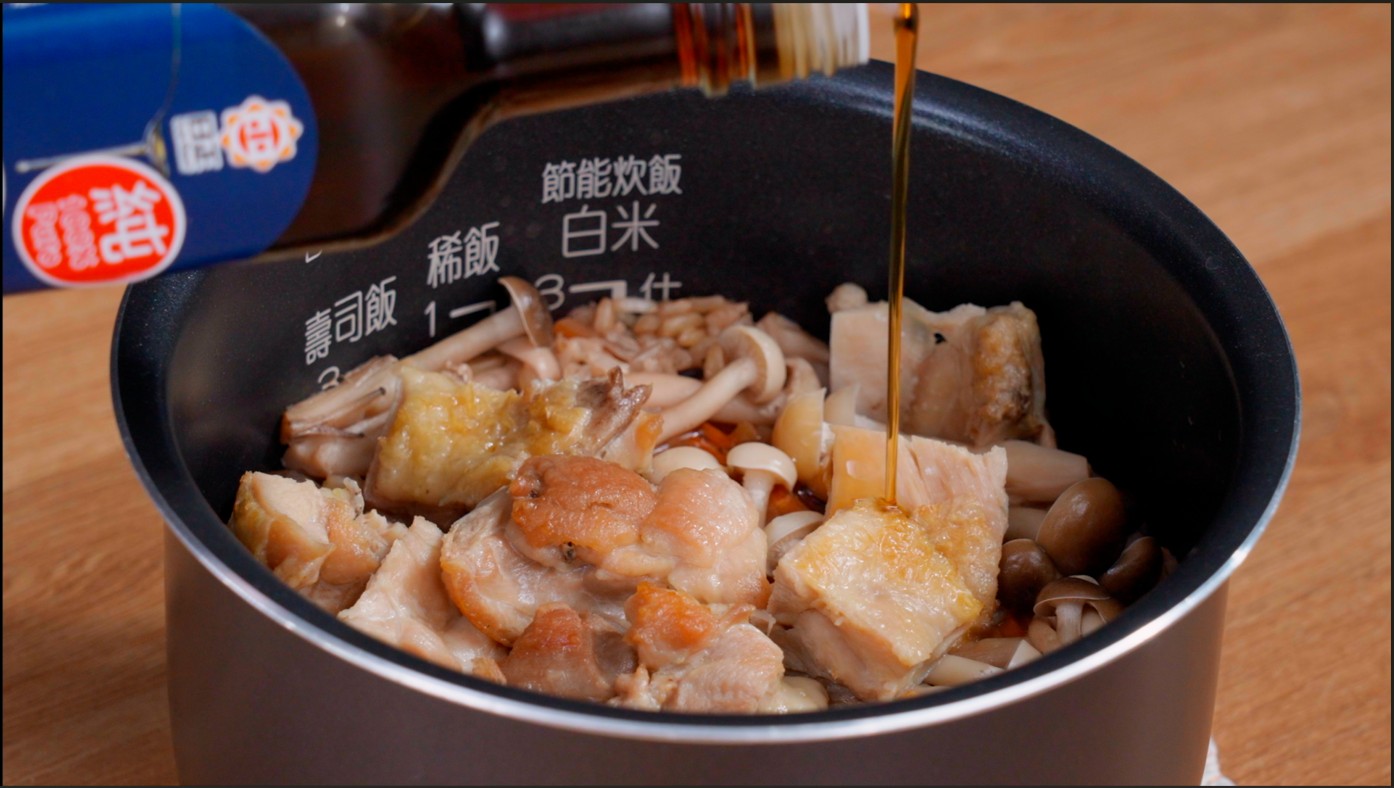
Sesame oil does go bad over time if you don’t store it correctly. Keep it in a cool, dark place to slow down spoilage. You don’t need to refrigerate it, but doing so helps it last longer once opened. Keep the bottle tightly sealed and away from heat for maximum freshness.
Sesame Oil Shelf Life at a Glance
| Room Temperature | Refrigerated | |
|---|---|---|
| Unopened | ~12–18 months | Up to 2 years |
| Opened | ~6–12 months | Longer — especially for toasted oil |
These are general estimates. An independent lab study (OXITEST) measured about 22.4 months for one specific product — expeller-pressed white sesame oil at 25°C — which is a useful data point but not representative of sesame oil in general, so it’s noted here rather than used as the headline number.
Shelf life by type (reference only — confirm against your own QA data before publishing)
| Type | Opened – Pantry | Opened – Refrigerated |
|---|---|---|
| Refined / light sesame oil | ~6–9 months | ~12 months |
| Toasted / dark sesame oil | ~4–6 months | ~6–9 months |

Does Sesame Oil Expire or Go Bad?
Yes — sesame oil can go bad. Over time, exposure to air, light, and heat causes the oil to break down through oxidation, and once that happens, the flavor turns unpleasant rather than just “less fresh.”
How to tell it’s gone bad. Fresh sesame oil has a nutty aroma and a clear, golden color. As it expires, watch for a sour or paint-like smell, a bitter or sharp taste, a darkened or cloudy appearance, and a texture that’s noticeably thicker than usual. (One exception: cloudiness that shows up after refrigeration is normal and clears once the oil returns to room temperature — that’s different from the permanent darkening that signals spoilage.)
What about toasted sesame oil? Toasted sesame oil can go bad too, and often faster than the plain, unrefined kind. Roasting the seeds gives the oil its rich flavor, but it also changes its chemistry — raising the level of free fatty acids even as it adds some protective antioxidants from the roasting process. In practice, that means toasted sesame oil deserves more careful storage, not less — see refrigeration below.
Can I still use it once it’s expired? No — don’t use sesame oil past its prime. Even if it doesn’t make you sick right away, consuming rancid oil can still affect your health, from nausea and digestive upset to longer-term risks with repeated exposure. When in doubt, trust your nose over the date on the bottle.
How to Store Sesame Oil Properly
Cool, dark, and airtight conditions are what keep sesame oil fresh and safe — heat, light, and air are the three things that break it down and dull its flavor.
Where to keep it. The best place to store sesame oil is a cool, dry pantry or cupboard, away from direct sunlight, heat, and moisture — not next to the stove or in a sunny window.
Refrigerate or not? You don’t always need to refrigerate sesame oil, but doing so can extend its shelf life. Toasted sesame oil is the exception worth remembering: refrigerate it after opening, especially if you don’t go through the bottle quickly.
Choosing the right container. Dark glass bottles work best, since they block light and UV rays that accelerate spoilage. Just as important is an airtight seal — oxygen speeds up oxidation, so keeping air out matters as much as keeping light out.
Ready for a Bottle That’s Already Built for This?
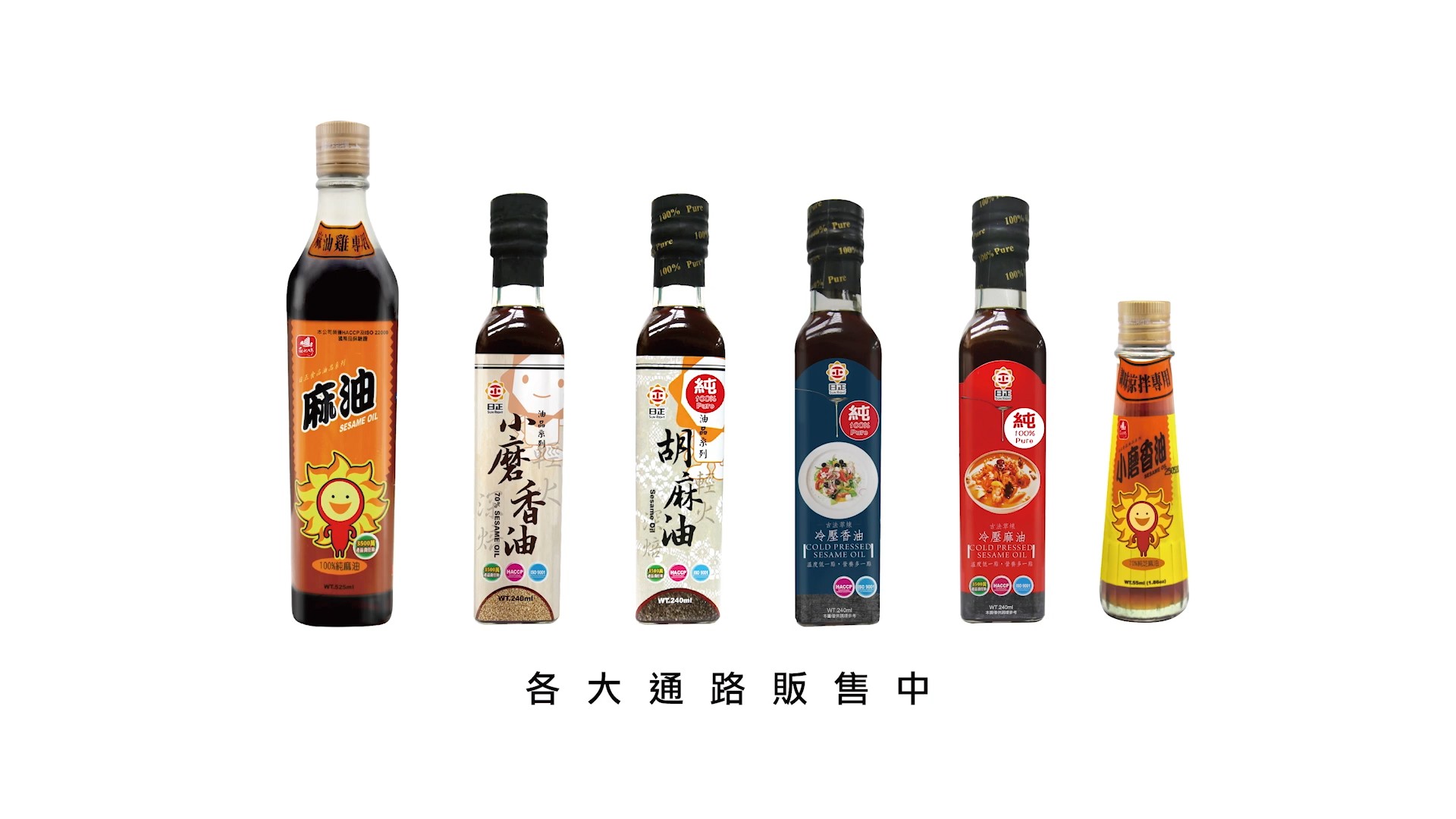
Everything above comes down to three things: dark glass, a tight seal, and a cool spot. Sunright’s sesame oil ships in a dark glass bottle designed to block light from the first pour to the last, so you’re halfway to ideal storage before it even reaches your pantry. Browse our full sesame oil range to find the right bottle for your kitchen.
Looking to Source Sesame Oil for Your Business?
If you’re a distributor, food manufacturer, or foodservice buyer looking for a reliable sesame oil supply, Sunright manufactures its full Sesame Oil Series — including Cold-Pressed and Black Sesame Oil — in Taiwan, with select lines ISO- and HACCP-certified. Every bottle carries a 24-month shelf life when stored as outlined above, giving distributors and buyers a comfortable window for international shipping and inventory turnover. We also offer OEM/ODM services for private label and custom formulations.