
Glass noodle bulk purchase
is an exciting opportunity for culinary enthusiasts and business owners looking to enhance their dishes with this versatile ingredient. As more people discover the unique textures and health benefits that glass noodles bring to the table, understanding how to make a savvy bulk purchase becomes paramount. Whether you’re running a restaurant, catering service, or simply stocking up for home cooking, knowing the essentials can help you maximize both your budget and your culinary repertoire.
In this blog post, we will delve into six proven strategies that will not only simplify your glass noodle bulk purchase but also elevate your cooking game. From understanding the different types of glass noodles available to exploring the health benefits and cooking versatility they offer, this guide aims to equip you with the knowledge needed to make informed decisions. We’ll tackle foundational aspects such as recognizing quality ingredients, preparing the noodles for optimal flavor, and even highlighting top product recommendations that are worth considering for your next bulk order.
As you navigate the world of wholesale glass noodles, you will discover that the right choices can lead to delectable dishes that impress family, friends, and customers alike. So, if you’re ready to explore how to make the most of your glass noodle bulk purchase and unleash your culinary creativity, keep reading!
The Basics of Wholesale Glass Noodles for Your Needs
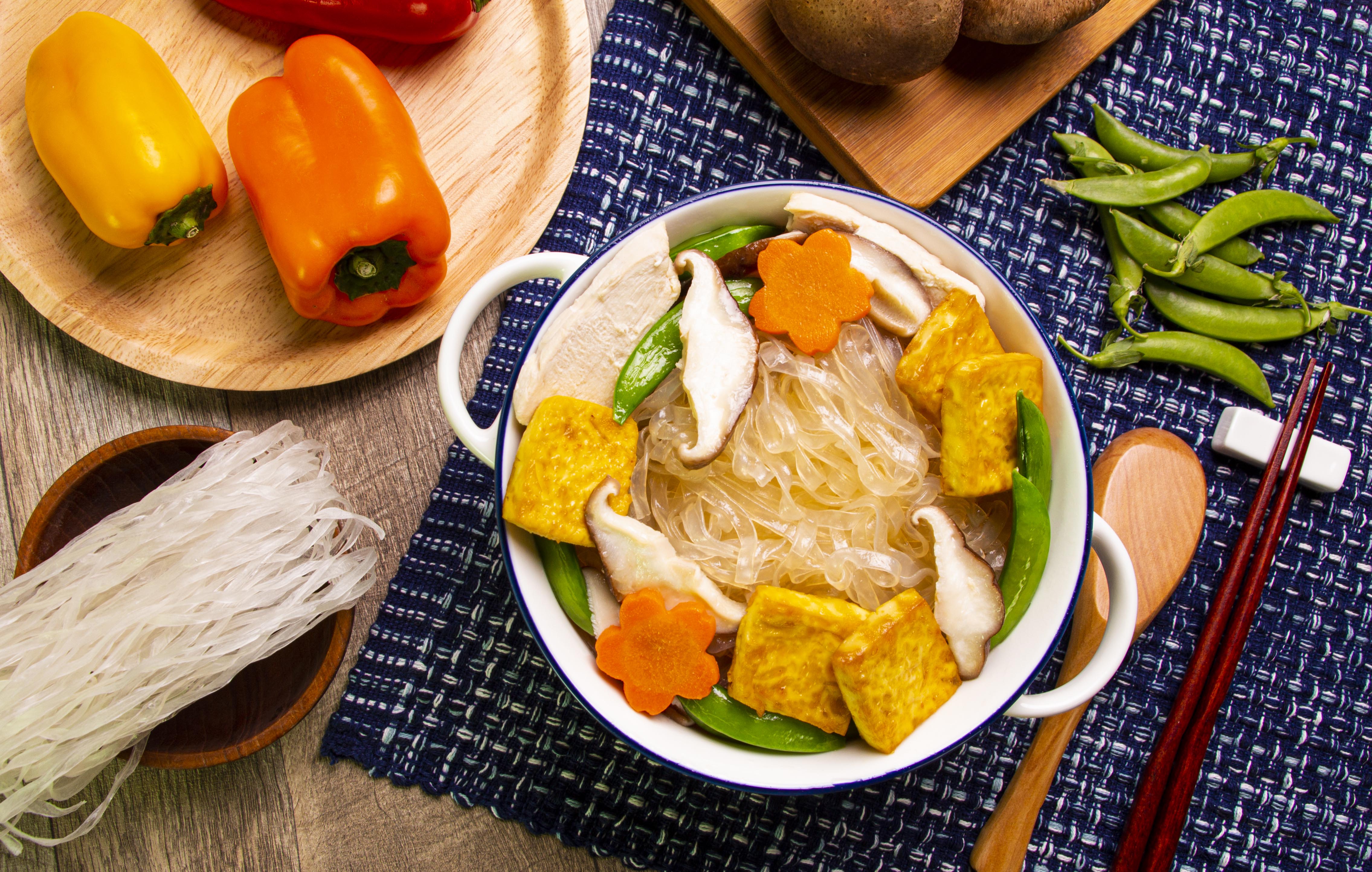
When considering a glass noodle bulk purchase, it’s essential to grasp the foundational elements that define high-quality noodles. Here’s what you need to cover to make an informed decision:
- Types of Glass Noodles: There are various types of glass noodles available, each with its unique characteristics:
- Mung Bean Glass Noodles: Made from ground mung beans, these noodles are rich in protein, vitamins, and minerals. They are widely popular in Asian cuisines and can be used in soups, stir-fries, or salads.
- Sweet Potato Glass Noodles: Known for their chewy texture, these noodles are slightly thicker than mung bean ones and are often used in Korean dishes. They are made from sweet potato starch and contain beneficial nutrients.
- Rice Glass Noodles: A staple in Vietnamese and Thai recipes, these noodles are softer and more delicate, made from rice flour and water.
- Mixed Starch Noodles: Some manufacturers blend different starches, like tapioca or corn, to enhance texture and elasticity.
- Ingredients Quality: The quality of glass noodles is primarily determined by their ingredients:
- Starch Type: Mung bean starch is renowned for its superior quality due to its rich starch content. Sweet potato and rice starches also contribute to the overall texture and flavor.
- Water Quality: The water used during the noodle-making process is crucial. Using pure, clean water ensures that the noodles maintain their quality and nutritional value.
- Additives: Be cautious of suppliers using unnecessary food additives. For example, talcum powder can be added to prevent stickiness but may lower the overall safety of the product.
- Cooking Instructions: Understanding how to properly prepare glass noodles can elevate your dishes:
- Soaking: Generally, glass noodles should be soaked in warm or hot water for about 7 minutes before cooking. This step is crucial for achieving the perfect texture.
- Versatile Usage: Glass noodles can be incorporated into a multitude of dishes, including salads, stir-fries, and even hot pots, making them a versatile ingredient to keep on hand.
- Nutritional Benefits: Glass noodles are not just delicious; they also offer numerous health benefits:
- Low-Calorie Count: They are significantly lower in calories compared to traditional rice, making them a great option for those watching their weight.
- Nutrient-Rich: Especially sweet potato glass noodles are packed with dietary fibers, vitamins (A, B, C, E), and essential minerals like potassium and calcium.
- Supplier Reputation: When buying in bulk, select reputable suppliers who have been in the market for a while. This ensures you get consistent quality and reliable service.
By understanding these aspects of wholesale glass noodles, you can make an informed choice that meets your culinary needs, whether you’re stocking your restaurant or preparing for a family gathering.
Why Opt for Wholesale Arrowroot Glass Noodles?
When considering a bulk purchase of glass noodles, particularly wholesale arrowroot glass noodles in bulk, there are several compelling reasons that make this option worthwhile for both retailers and food enthusiasts in Taiwan. Here are the key points to consider:
- Health Benefits:
- Arrowroot glass noodles are made from 100% natural arrowroot starch, which is known for its health benefits. They are low in calories and fat, making them an excellent choice for health-conscious consumers.
- Rich in vitamins and minerals, these noodles can help in maintaining a balanced diet. For example, they contain significant amounts of vitamin B, which is essential for energy metabolism.
- Versatile Cooking:
- Arrowroot glass noodles are incredibly versatile in cooking. They can be used in various dishes, from stir-fries to soups. This adaptability allows chefs and home cooks to incorporate them into different cuisines.
- Example: You can prepare a classic Taiwanese dish like stir-fried glass noodles with vegetables and shrimp, which highlights the noodles’ delightful texture.
- Easy Preparation:
- Cooking arrowroot glass noodles is simple. Just soak them in warm water for about 7 minutes, and they are ready to be added to your favorite recipes.
- This ease of preparation is perfect for busy kitchens or for those looking to whip up a quick meal.
- Diverse Product Range:
- The wholesale market offers a variety of types, including silk sweet potato glass noodles, thick sweet potato glass noodles, and traditional mung bean glass noodles. This variety allows you to cater to different customer preferences.
- For instance, while some might prefer the chewiness of sweet potato starch noodles, others may enjoy the delicate texture of mung bean noodles.
- Sustainability and Quality:
- Many suppliers focus on quality ingredients, ensuring that their glass noodles are free from harmful additives. This commitment to quality is essential for maintaining customer trust.
- Opting for suppliers who use pure water and natural starches guarantees a healthier product, which can be a strong selling point for businesses.
Comparison of Different Types of Glass Noodles
|
Type of Glass Noodle |
Main Ingredient |
Texture |
Culinary Uses |
|
Arrowroot Glass Noodles |
Arrowroot Starch |
Smooth, Chewy |
Soups, Stir-Fries, Salads |
|
Mung Bean Glass Noodles |
Mung Bean Starch |
Soft, Silky |
Spring Rolls, Soups |
|
Sweet Potato Noodles |
Sweet Potato Starch |
Chewy, Thick |
Hot Pots, Stir-Fries |
|
Mixed Starch Noodles |
Mixed Starches |
Varies |
Versatile in various dishes |
In summary, opting for wholesale arrowroot glass noodles in bulk presents a range of benefits that appeal to health-conscious consumers and culinary professionals alike. The combination of health benefits, versatility, cost-effectiveness, and quality makes these noodles a smart choice for anyone involved in the food industry in Taiwan.
Health Perks of Glass Noodles and Their Alternatives
When it comes to making healthy choices in our diets, glass noodles, also known as mung bean vermicelli or bean thread noodles, stand out for several reasons. These noodles are not only versatile but packed with health benefits that can enhance your meals. Here’s a closer look at what makes glass noodles a great addition to your diet, alongside some beneficial alternatives.
1. Nutritional Composition
- Gluten-Free: Unlike traditional wheat pasta, glass noodles are made from mung bean starch, making them a perfect option for those with gluten intolerance or celiac disease.
- Low Glycemic Index: This means that glass noodles do not cause a sharp spike in blood sugar levels, making them a suitable option for individuals with diabetes.
- Low in Calories: If you’re watching your calorie intake, glass noodles are an excellent choice. They are significantly lower in calories compared to regular rice noodles, allowing you to enjoy your meals without the guilt.
- High in Fiber: These noodles are rich in dietary fiber, which supports digestive health and helps you feel full longer, aiding in weight management.
2. Health Benefits Overview
Here’s a comparison table that highlights the health benefits of glass noodles versus other noodle types:
|
Type of Noodle |
Gluten-Free |
Low Glycemic Index |
Caloric Content |
Fiber Content |
|
Glass Noodles |
Yes |
Yes |
Low |
High |
|
Rice Noodles |
No |
Moderate |
Moderate |
Low |
|
Traditional Wheat Noodles |
No |
No |
High |
Low |
3. Alternatives to Glass Noodles
If you’re looking to switch things up, here’s a look at some alternatives that still offer great health benefits:
- Sweet Potato Starch Noodles: These have a chewy texture and are also gluten-free. They’re rich in vitamins A, B, C, and E, and are low in calories, making them an excellent choice for those aiming for a healthier diet.
- Rice Noodles: While not gluten-free, rice noodles offer a softer texture. However, they’re higher in calories and have a higher glycemic index compared to glass noodles.
- Shirataki Noodles: Made from konjac yam, these noodles are extremely low in calories and high in fiber, making them a fantastic alternative for weight management.
4. Cooking Tips
Glass noodles are incredibly easy to prepare, adding convenience to their health benefits. Simply soak them in warm water for about 7 minutes before adding them to your favorite dishes. They can be incorporated into stir-fries, soups, or salads, enhancing texture without compromising flavor.
5. Conclusion
Incorporating glass noodles into your diet can provide numerous health benefits, making them a fantastic choice for those seeking healthier meal options. With their low calories, high fiber content, and gluten-free nature, they can easily complement a balanced diet. Whether you choose to enjoy them in a hearty soup or a refreshing salad, glass noodles are a delightful addition to your culinary repertoire.
These products not only cater to a variety of tastes and dietary needs but also give you the flexibility to experiment with different recipes. When buying in bulk, consider the specific needs of your business or household to make the most informed decision. Happy cooking!
In conclusion, making a glass noodle bulk purchase can significantly enhance your culinary experience, whether you’re a restaurant owner, a caterer, or a passionate home cook. Understanding the basics of wholesale glass noodles allows you to select the right type for your needs, whether it’s the protein-rich mung bean noodles or the chewy sweet potato options. The versatility of arrowroot glass noodles in various dishes, combined with their health benefits, makes them an excellent choice.
Moreover, the nutritional perks of glass noodles, such as being gluten-free and low in calories, offer a healthier alternative for a balanced diet. As you explore the top recommendations for glass noodle products available in bulk, remember to consider quality and supplier reputation to ensure you’re getting the best value for your investment.
Now that you’re equipped with this knowledge, we invite you to take action: explore the options for your glass noodle bulk purchase today! By investing in these nutritious and versatile noodles, you’re not only catering to diverse dietary needs but also enriching your culinary creations. Your customers and family will appreciate the delicious meals you can prepare with these fantastic ingredients.